01
Real App Behavior
Validate workflows against physical devices rather than relying only on virtualized behavior.
Mobile AI Infrastructure
ARMARRAY provides dedicated physical Android infrastructure for agent execution, real-device validation, interaction data workflows, and evaluation-oriented POCs.
The Problem
Mobile agents increasingly need to recognize screens, perform actions, navigate apps, and complete tasks. Development can begin in virtual environments, but real-device validation requires infrastructure that exposes physical Android behavior.
Validate workflows against physical devices rather than relying only on virtualized behavior.
Observe practical touch, app, device-state, and network behavior during task execution.
Move beyond ad-hoc handset racks toward organized, serviceable, dedicated device pools.
Workflow
The current stack already provides the real-device control and integration foundation. Agent-specific workflows can be adapted on top of this base to match project requirements for execution, observation, data collection, and evaluation.
Why Dedicated Real Android
Mobile AI Integration
Device inventory, status, and configuration for organized physical Android pools.
Programmatic input, app launch, and device operations for repeatable workflows.
Real-time device access for development, validation, and operational support.
Backend HTTP API, WebSocket, and MQTT for customer-platform integration and command routing.
Device commands, configuration updates, app launch, and service discovery.
Deploy dedicated infrastructure in customer-controlled lab, office, or data-center environments.
Connect your agent or orchestration layer directly to ARMARRAY's physical Android infrastructure through existing programmable interfaces.
GET /api/devices
GET /api/devices/{uuid}
PUT /api/devices/{uuid}/config
POST /api/devices/{uuid}/apply
POST /api/devices/{uuid}/command
WS /ws · /ws/shell
Deployment-specific URLs, authentication, payload schemas, and network parameters are provided during technical onboarding.
Build agent-specific workflows on top of ARMARRAY's existing device-control and integration capabilities. Components can be adapted to project requirements from POC validation to larger-scale deployments.
Other workflow requirements can be evaluated on a project-specific basis.
Hardware Layer
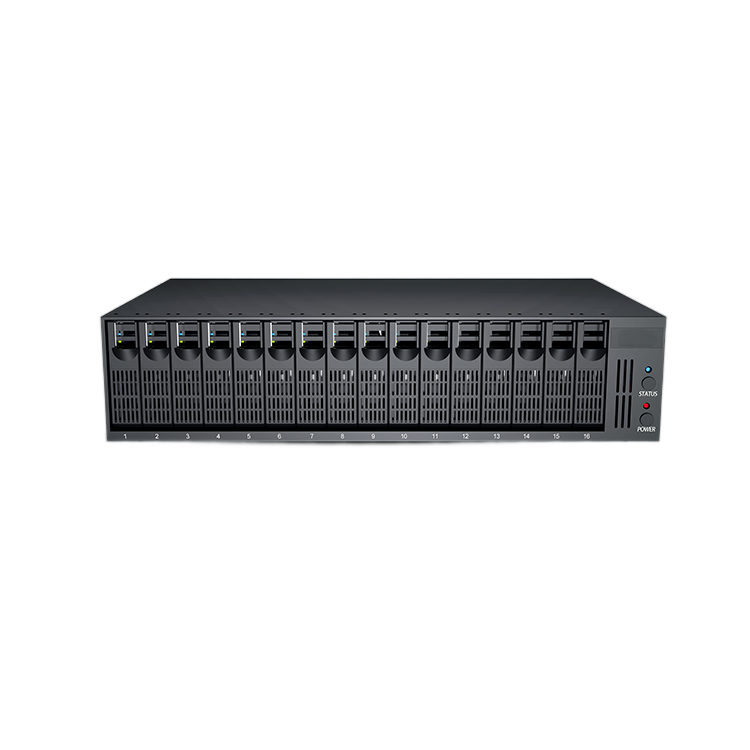
S32 turns 32 physical Android nodes into a dedicated execution layer for Mobile AI agents — real apps, real device state, physical SIM support, and programmable control inside a serviceable chassis.
 Explore S32
POC to Scale
A typical engagement can begin with a small real-device POC and grow toward a dedicated cluster or private deployment.
Contact ARMARRAY
Choose the channel that works best for you. We usually start with your target node count, deployment region, and workflow.